How can engineering improve dialysis experience for kidney patients?
Dr Glen Cooper fromÌýThe University of Ä¢¹½¶ÌÊÓƵ has received aÌý (TAKA) ofÌý£119,000ÌýtoÌýdevelop a realistic training system that helps kidney patients practice needle insertion safely and confidently.Ìý
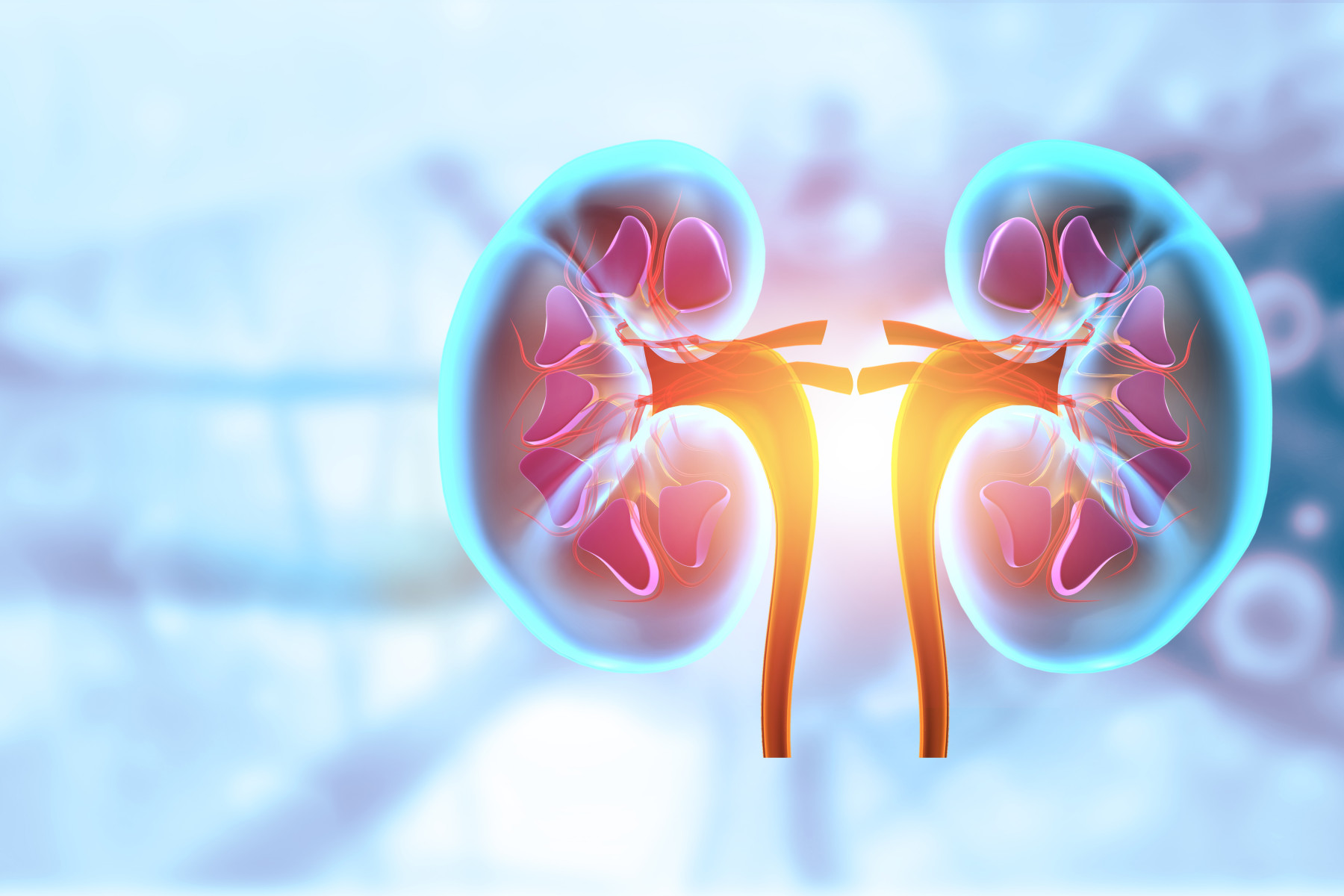
Researchers at The University of Ä¢¹½¶ÌÊÓƵ are developing a new training system to help kidney patients overcome their fear of needles and feel more confident managing their own dialysis treatment
Many patientsÌýliving with kidney failureÌýoften rely onÌý.ÌýThis is a way of replacing some of the functions of the kidney by using a machine to filter and clean the blood.ÌýTreatment often involves having needles inserted into a fistula, which is a surgically created blood vessel in the arm, several times every week.Ìý
While some people choose to learn how to carry out this process themselves, many find the idea overwhelmingÌýbecause they are fearful of needles.ÌýAt present, there is no safe or realistic way for patients to practice before using their own arm, and this understandably causes anxiety.Ìý
Bringing engineering and healthcare togetherÌý
This project brings together patients, healthcareÌýprofessionalsÌýand engineers to explore how technology could help patients feel more confident and in control of their treatment journey.Ìý
Using advanced engineering, medical design and robotics technologies, the team hopes to create a training system that responds like a real blood vessel. Users will be able to touch, feel and practise inserting needles while receiving feedback on their performance.Ìý
Dr Glen Cooper from The University of Ä¢¹½¶ÌÊÓƵ, who is leading the engineering aspects of the project, said: Ìý“I'veÌýbeenÌýfortunate to work on novel medical systems and alongside some fantastic clinicians and patients, and that'sÌýwhat makes this project so exciting.ÌýWe'reÌýbringing together engineering, clinicalÌýexpertiseÌýand patient experience to addressÌýa real challengeÌýin kidney care.
"The system we'reÌýdeveloping will combine mechanics and electronics in what we call a mechatronic approach, with feedback that helps users understand their performance and build confidence over time. By using engineering design to tackle this problem, we're aiming to create a training experience that could significantly reduce anxiety around needles and support safer, more effective cannulation."Ìý
The project itself grew from a collaboration with a clinical colleague,ÌýDr Anu Jayanti, Consultant Nephrologist at the Ä¢¹½¶ÌÊÓƵ Foundation Trust, who commented: “Despite remarkable advances in dialysis technology, the success of haemodialysis still depends on a simple but critical conduit: reliable vascular access. For patients dialysing through an arteriovenous fistula, cannulationÌýremainsÌýthe ‘elephant in the room’ — a technically demanding and often emotionally challenging step that can influence confidence, independence, safety, and long-term access outcomes.
"Through my clinical experience and awareness of the longstanding barriers patients face with self-cannulation, I saw a clear opportunity to develop a practical, patient-centred solution. This project brings together clinical insight, engineering expertise, and the voices of patients and stakeholders to co-design a technology-assisted training device that supports safer, more confident self-cannulation and empowers patients to take greater ownership of their dialysis care.
Progress in modern healthcare increasingly sits at the intersection of medicine, technology, and lived experience. For me, it was only natural that addressing such a complex and important challenge should involve working alongside engineers and patients to create a solution designed not just for clinical need, but for the people whose lives it will affect.�
Looking to the future
If successful, the training system couldÌýbenefitÌýboth patients and healthcare professionals by building confidence in self-cannulation and encouraging more people to consider home . In the longer term, thisÌýcould contribute to wider reduced pressure on hospitals and lower healthcare costs.Ìý
Dr Glen Cooper, said: “Every patient's experience of haemodialysis is different, and current training options do not reflect that. By creating a more personalised and supportive way to learn these skills, we hope to reduce anxiety around needles, build confidence and help more people feel in control of their treatment. If we can give patients the tools and reassurance they need to manage their care more independently, that could have a lasting impact on both their wellbeing and quality of life."Ìý